
Climate change is one of the most pressing challenges of our time, demanding innovative solutions at an unprecedented scale. Artificial intelligence (AI) has emerged as a powerful tool to address this global crisis, offering transformative capabilities across various domains. But how exactly is AI shaping the way we tackle climate change, and what does its future hold?
AI in Climate Prediction and Monitoring
Accurate climate predictions are critical to understanding and mitigating the impacts of climate change. AI-driven models analyze vast datasets from satellites, weather stations, and ocean buoys to provide more precise forecasts. These insights enable policymakers to prepare for extreme weather events, optimize resource allocation, and develop long-term strategies for climate resilience.
For instance, AI-powered platforms like IBM’s Weather Company use machine learning to predict weather patterns with remarkable accuracy. Similarly, organizations such as the European Space Agency are leveraging AI to monitor deforestation, glacier melt, and ocean temperatures in real time, helping to identify areas requiring urgent attention.
Enhancing Renewable Energy Systems
Transitioning to renewable energy is a cornerstone of combating climate change, and AI plays a pivotal role in making these systems more efficient and scalable. By optimizing energy generation, storage, and distribution, AI ensures that renewable energy sources such as solar and wind can meet increasing demand.
Google’s DeepMind, for example, has improved the efficiency of wind energy farms by using AI to predict power output 36 hours in advance. This not only reduces waste but also enhances grid reliability. In addition, AI algorithms are being used to design smarter energy grids that dynamically adapt to fluctuations in energy supply and demand.

Decarbonizing Industries
Industries account for a significant portion of global greenhouse gas emissions, and AI is helping to drive decarbonization efforts. Through predictive maintenance, energy optimization, and process automation, AI reduces waste and improves efficiency in sectors ranging from manufacturing to transportation.
For example, AI-powered systems in factories can identify inefficiencies and recommend energy-saving measures. In transportation, AI enhances route optimization for logistics companies, cutting fuel consumption and emissions. Startups like Pachama are using AI to measure and verify carbon offsets, ensuring transparency and accountability in the carbon markets.
Empowering Climate Action Through Data
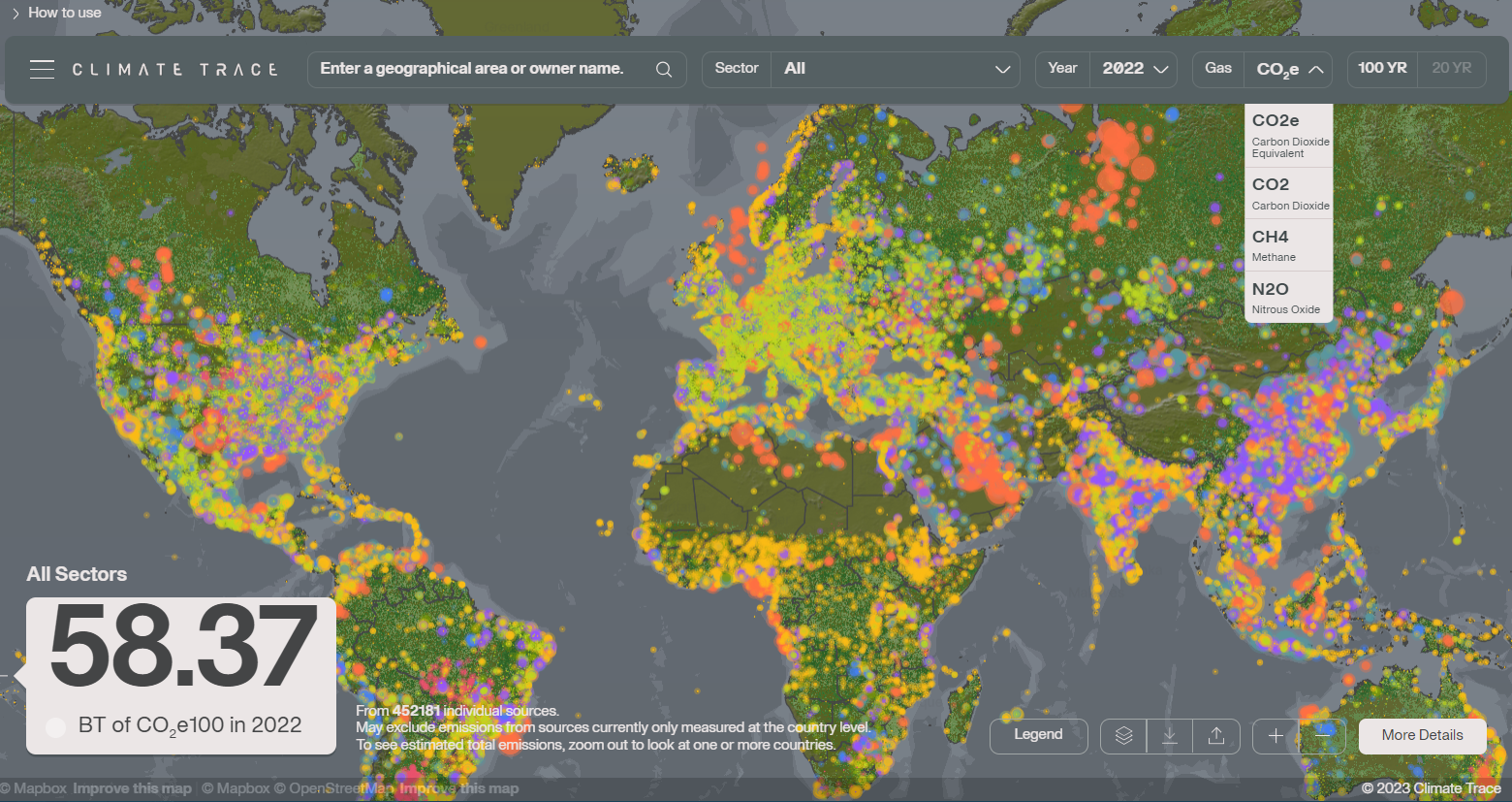
AI is also empowering individuals, organizations, and governments to take actionable steps against climate change by democratizing access to critical data. Platforms like Climate TRACE use AI to track global greenhouse gas emissions from various sources, providing the transparency needed to hold polluters accountable.
Moreover, AI-driven tools are enabling citizen science initiatives, where individuals can contribute data on local environmental conditions. This crowdsourced approach enriches datasets and fosters community engagement, amplifying collective efforts to combat climate change.
Challenges and Ethical Considerations
While the potential of AI in scaling climate solutions is immense, it is not without challenges. AI models require significant computational power, which itself can contribute to carbon emissions. Ensuring that AI systems are developed and deployed sustainably is crucial.
Ethical considerations also come into play. AI systems must prioritize equity and inclusivity, ensuring that their benefits are accessible to communities most affected by climate change. Transparency and accountability in AI decision-making processes are essential to build trust and prevent unintended consequences.
Looking Ahead
As AI continues to evolve, its role in addressing climate change will only grow. From advancing renewable energy technologies to fostering global collaboration, AI holds the potential to revolutionize climate action. However, realizing this potential will require a concerted effort to balance innovation with sustainability and equity.
AI alone cannot solve climate change, but it is a vital component of the multifaceted approach needed to tackle this global crisis. By harnessing its power responsibly, we can accelerate progress and build a more sustainable future.